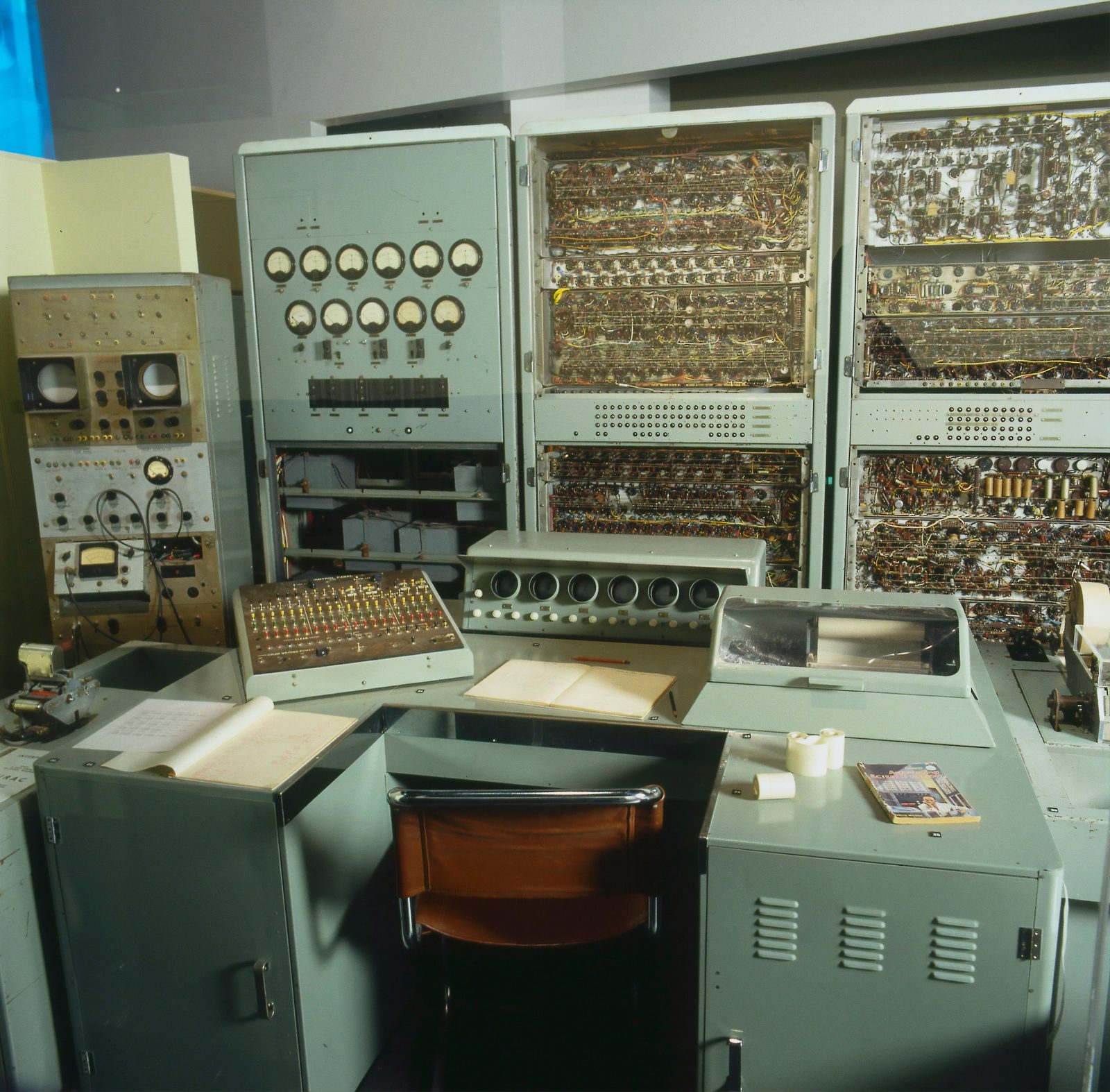
In 1983, Lisanne Bainbridge, a cognitive psychologist and professor from the UK, wrote a short paper on what happens when machines take over the work. She called it the “Ironies of Automation.” She was writing about power plants and cockpits. I had to look back three times to check the date 1983, as it sounds like it’s about AI.
Her point was simple. When you automate the easy parts of a job, you make the hard parts harder. The human is left to supervise a system they no longer practice on. Their skill quietly fades, right up until the moment something goes wrong and they are expected to step in.
Now imagine the factorization of knowledge work: the coming wave of AI-driven workflow optimization in which skills are outsourced to agents and humans become the operators. Forty years later, the diagnosis still holds.
What has changed is that her solutions no longer work.
- Make the machine show its steps, so the person can follow its reasoning. You cannot do that with AI, as it is a black box, even to the people who build it.
- Train operators on simulators. But AI systems change every few months, and there is nothing fixed to train on.
- Rely on a trained specialist in a control room. Today everyone is the operator, and almost no one has been trained for it.
This line has kept me busy for many dog walks;
The better the automation, the more you need to invest in keeping people skilled.
My conclusion is that what is left for knowledge workers/operators will be a challenge: the personal responsibility to stay sharp, connected to colleagues, and to stay close to the work at the same moment when everything is pushing us the other way, toward operating workflows and agents we no longer really understand.
That is the trap Bainbridge unknowingly named forty years ago. The difference now is that avoiding it is not a design decision someone else makes, but a personal one, made every day.
Paper linked. Worth twenty minutes.